
Understanding Recovery Tracks
What Are Recovery Tracks?
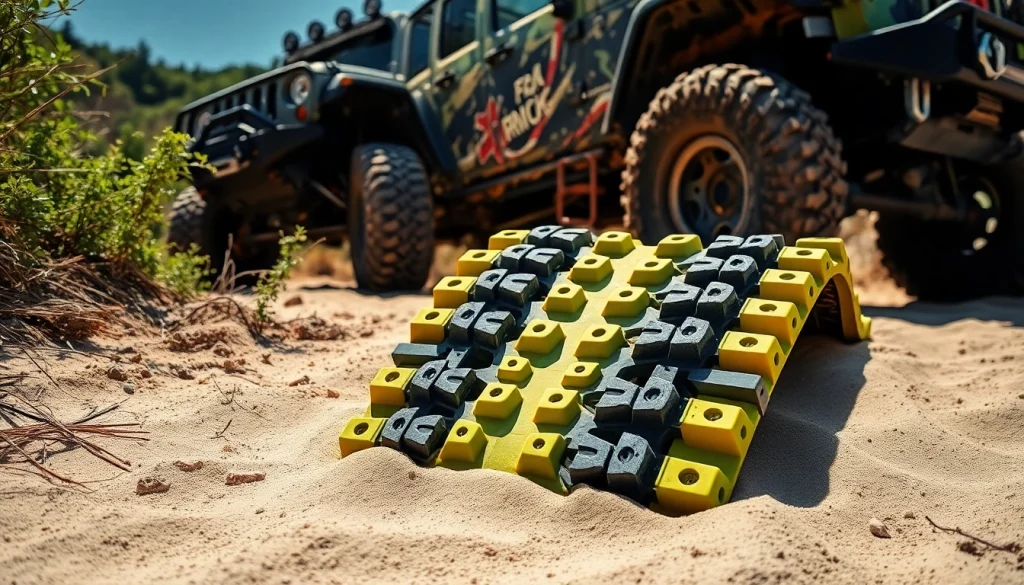
Recovery tracks are essential tools designed to assist vehicles, particularly off-road ones, in regaining traction after getting stuck in challenging terrains such as mud, sand, or snow. They are often made from durable materials that can withstand heavy pressure and provide a surface for tires to grip. Depending on the design, recovery tracks can range from simple slotted mats to intricate structures with added features to facilitate recovery in various conditions. Enthusiasts and professionals often consider Recovery Tracks an indispensable part of their off-road gear setup.
Benefits of Using Recovery Tracks
The primary benefit of recovery tracks lies in their ability to provide immediate assistance when a vehicle is immobilized. They help avoid potential damage to the vehicle, reduce the need for external recovery services, and promote safety for passengers by enabling a self-recovery option. In addition, utilizing recovery tracks can minimize the time spent in a difficult situation, ensuring you can continue your adventure with minimal disruption. They also enhance the vehicle’s stability during recovery efforts, making the process more efficient and effective.
Material Considerations
Recovery tracks are manufactured from various materials, primarily plastic and metal, each with different advantages. High-density polyethylene (HDPE) is commonly used for its lightweight, yet sturdy nature, providing ample grip and flexibility. Conversely, metal recovery tracks may offer unparalleled strength and durability, particularly in harsh environments. Understanding the specifics of these materials helps users select the right recovery track suited for their specific needs.
Types of Recovery Tracks
Plastic vs. Metal Recovery Tracks
The choice between plastic and metal recovery tracks often comes down to user preference and intended application. Plastic tracks are generally lighter, easier to handle, and often more affordable. They also provide adequate performance in most conditions. Metal tracks, while heavier and typically more expensive, excel in extreme environments or under heavy loads owing to their toughness. Evaluating your usual terrain and recovery needs is crucial when choosing the right type for your off-road experiences.
Innovative Features in Recovery Tracks
Today’s recovery tracks come equipped with innovative features that enhance their usability. Integrated handles allow for easy placement and retrieval, while modular designs enable users to connect multiple tracks for greater coverage in challenging conditions. Some tracks are equipped with traction teeth, which dig into soft substrates to enhance grip. Additionally, many modern recovery tracks incorporate reflective or bright coloring for improved visibility in poor lighting conditions. These advancements mean recovery equipment is no longer just utilitarian but can also be optimized for convenience and efficiency.
Choosing the Right Type for Your Vehicle
When selecting recovery tracks, it is essential to consider the specifications of your vehicle, including its weight and the typical types of terrain you navigate. Lighter vehicles may perform well with standard plastic tracks, while heavier off-road vehicles may benefit from the increased durability of metal tracks. Additionally, consult with the manufacturer’s guidelines to ensure compatibility between the recovery tracks and your specific vehicle, maximizing effectiveness during recovery operations.
How to Use Recovery Tracks Effectively
Step-by-Step Guide to Deployment
Proper deployment of recovery tracks is fundamental to ensuring successful recovery. Here’s a systematic approach:
1. Assess the Situation: Identify the stuck vehicle’s orientation and the surrounding terrain.
2. Clear the Area: Remove any loose debris or obstacles that might hinder the recovery process.
3. Position the Recovery Tracks: Insert the tracks in front of the tires, angled slightly towards the vehicle for traction optimization.
4. Engage the Vehicle: Slowly accelerate the vehicle while maintaining a steady speed to allow the tracks to do their job. Avoid sudden movements that could lead to further sinking.
Safety Tips for Using Recovery Tracks
Prioritizing safety is essential when using recovery tracks. Ensure that all occupants remain inside the vehicle during the recovery process to prevent injury. Familiarize yourself with the equipment before an emergency arises, and always wear appropriate safety gear, such as gloves. Consider the surrounding environment as well; avoid recovery attempts in extremely unstable terrains, which could pose additional dangers.
Common Mistakes to Avoid
Many pitfalls can hinder successful recoveries with recovery tracks. One common mistake is improper placement, which can prevent the wheels from making effective contact with the tracks. Additionally, rushing the recovery process can lead to increased tire spin, further worsening the situation. It’s crucial to take the time to assess the environment and adjust your strategy accordingly to enhance the likelihood of success.
Case Studies of Successful Recoveries
Real-Life Examples in Off-Roading
Across various off-roading communities, real-life examples of the successful use of recovery tracks abound. Enthusiasts have documented their experiences through videos and blogs, showcasing how well these tools perform under various conditions. For instance, one notable case involved an off-road enthusiast who found himself stuck in a muddy terrain. Utilizing recovery tracks enabled him to regain traction quickly and continue his expedition, demonstrating the product’s effectiveness.
Professional Recommendations
Experts in the off-roading community often recommend different strategies for effective recovery. Many advocate keeping recovery tracks within easy reach for quick access during sticky situations. Others emphasize the importance of carrying additional gear such as ropes or winches to supplement the recovery process when required. Consulting with professionals can provide invaluable insights and tailored strategies that enhance the recovery experience.
User Experiences and Testimonials
User testimonials reflect the diversity of experiences with recovery tracks. A common theme is heightened confidence when navigating difficult terrains, owing to the reliability of having recovery tracks on hand. Many users share stories of close calls where recovery tracks were the difference between being stranded and completing their journey. These narratives not only serve to highlight the tracks’ functionality but also promote community engagement and knowledge sharing.
Maintaining Your Recovery Tracks
Cleaning and Storage Tips
Maintenance is critical to prolonging the life of recovery tracks. After each use, it’s recommended to clean them thoroughly to remove dirt, mud, and other debris that can lead to wear. Using a mild detergent and water, followed by a drying period, ensures they remain in optimal condition. For storage, keep recovery tracks in a dry, cool area to avoid warping or damage over time. Using a dedicated storage bag can further enhance their longevity.
Longevity and Durability Factors
The longevity of recovery tracks can be affected by factors such as frequency of use, material quality, and environmental conditions. Plastic tracks may exhibit wear faster in harsh climates compared to metal ones. Tracking usage habits and conducting regular inspections can help gauge the condition of your recovery tracks and need for replacement, ensuring you always have functional equipment on hand.
When to Replace Your Recovery Tracks
Knowing when to replace recovery tracks is vital to avoid compromising the efficiency of recovery efforts. Signs of wear may include cracks, significant bending, or loss of traction features. As a general rule, if your tracks fail to grip or provide stability during recovery, it’s time to consider a replacement. Investing in new recovery tracks ensures you’re always prepared for the unforeseen challenges of off-road driving.
Frequently Asked Questions
What are the best conditions for using recovery tracks?
Recovery tracks work best in soft terrain like sand, mud, or snow where vehicles typically lose traction. They can assist in regaining stability without damaging the vehicle.
How do I store recovery tracks properly?
Store recovery tracks in a cool, dry place away from direct sunlight. Using a storage bag can help protect them from dirt and damage.
Can recovery tracks be used multiple times?
Yes, recovery tracks are designed for repeated use. With proper maintenance and cleaning, they can remain effective for many recovery operations.
What weight capacity should I look for in recovery tracks?
Choose recovery tracks that can support at least your vehicle’s weight. Check manufacturer specifications for detailed weight capacities.
Are recovery tracks necessary for every off-road adventure?
While not mandatory, recovery tracks significantly enhance safety and preparedness during off-road adventures, especially in remote or challenging terrains.